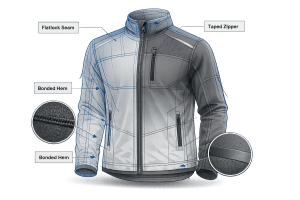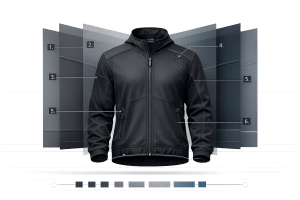

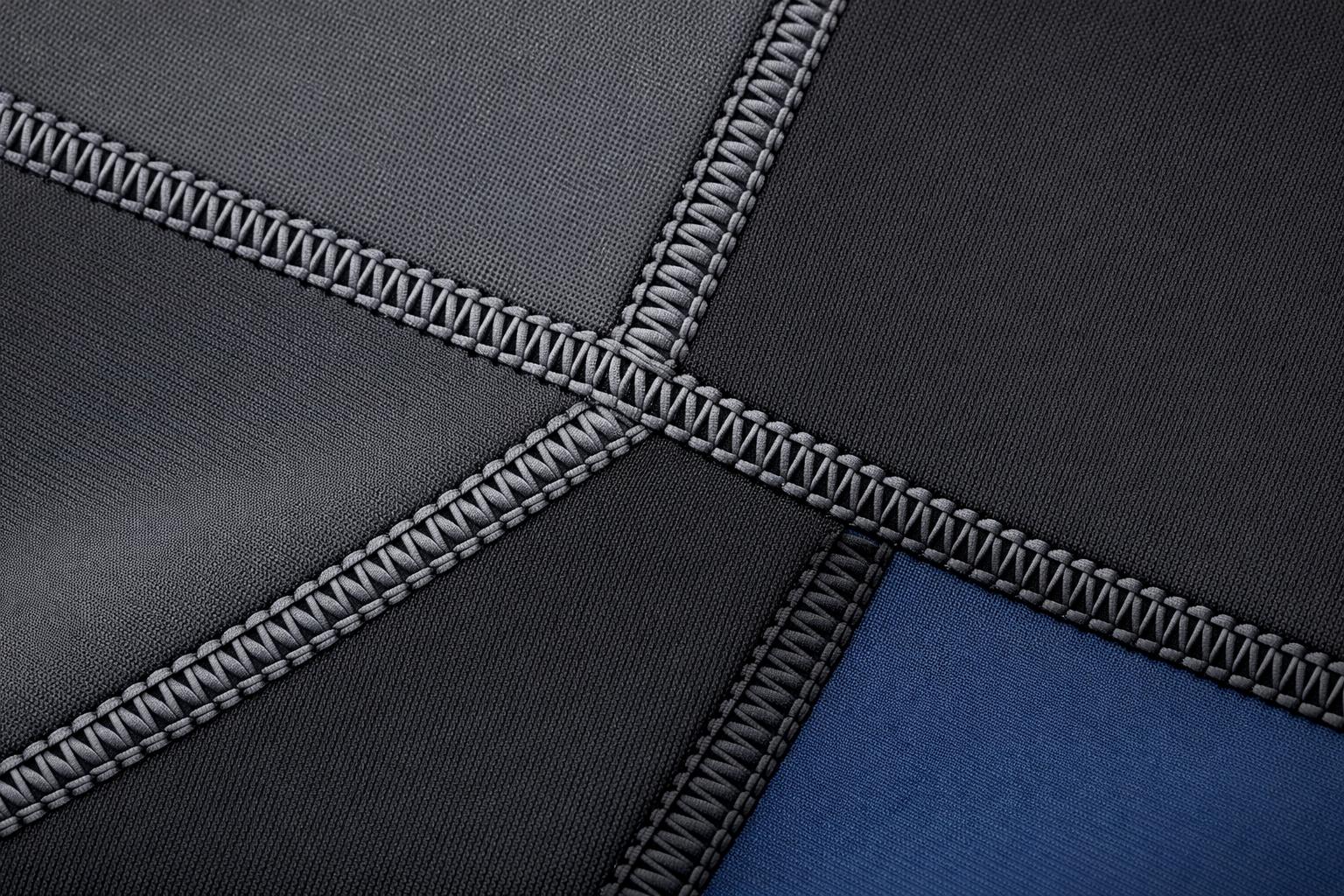
Flatlock stitching is what makes activewear feel smooth, durable, and comfortable against your skin. Unlike traditional seams, flatlock seams lie flat, reducing bulk and irritation. Here’s what you need to know:
- What It Is: Flatlock stitching connects fabric edges without overlap, creating flat, strong, and stretchable seams.
- Why It’s Used: It’s perfect for activewear because it reduces friction, stretches with movement, and holds up under stress.
- Types of Stitches: Includes standard, decorative, reverse, zigzag, and twin-needle variations, each suited for different purposes like flexibility, durability, or style.
- Thread Options: 2-thread flatlock is lightweight and soft, while 3-thread flatlock adds strength for high-stress areas.
These stitches are essential for making activewear that’s comfortable, flexible, and long-lasting. Whether it’s leggings, sports bras, or base layers, flatlock stitching ensures garments perform well and stay comfortable during any activity.
How to Sew the Flatlock Stitch: Seams & Hems on Juki Serger
Main Types of Flatlock Stitches
Flatlock stitches might all share the same edge-to-edge construction approach, but they’re not one-size-fits-all. Each variation brings something unique to the table, especially when it comes to activewear. Here are five key types that blend performance with style.
Standard Flatlock Stitch
The standard flatlock stitch is the backbone of activewear sewing. It creates a smooth, flat seam by interlocking fabric edges, making it a go-to for garments like compression tops, leggings, yoga wear, performance tees, and base layers. This stitch offers a balance of flexibility and strength, while its flat design reduces skin irritation – perfect for activities like running or yoga where comfort is key .
Flat Seam with Decorative Coverstitch
The flat seam with decorative coverstitch takes the basic flatlock stitch and adds a stylish twist. By layering a decorative coverstitch on top, it combines functionality with visual appeal. This technique is popular in sports tops and high-end activewear, where the stitching doubles as a design feature. Think color-blocked yoga pants or performance shirts with contrasting seam lines that stand out without sacrificing stretch or comfort.
Reverse Flatlock Stitch
The reverse flatlock stitch flips the script by moving the looper threads to the outside of the seam. This creates a raised, textured effect on the exterior while keeping the smooth side against the skin. It’s a favorite for fashionable sportswear and technical garments like performance jackets or trendy leggings, offering both comfort and a unique aesthetic .
Zigzag Flatlock Stitch
The zigzag flatlock stitch adds a zigzag pattern to the mix, enhancing elasticity compared to the standard version. This extra stretch makes it ideal for garments that need to move with the wearer, such as swimwear and cycling shorts. The zigzag design also helps prevent stitches from breaking during intense activity, making it a smart choice for areas like leg openings, armholes, and curved seams around joints .
Twin Needle Flatlock Stitch
For areas that demand extra strength, the twin needle flatlock stitch steps up. By using two needles to create parallel stitches, it boosts durability, elasticity, and reinforcement. This stitch shines in high-stress zones like underarms, side seams, inner thighs, and seat panels, where it distributes tension evenly for long-lasting support .
Up next, we’ll dive into how thread configurations can further fine-tune these stitch variations.
2-Thread vs. 3-Thread Flatlock Stitches

2-Thread vs 3-Thread Flatlock Stitch Comparison for Activewear
When it comes to flatlock stitching, the number of threads used plays a big role in how the seam looks, feels, and performs. Whether you’re aiming for a lightweight finish or something more robust, the choice between 2-thread and 3-thread flatlock stitches can make all the difference.
2-Thread Flatlock Stitch
A 2-thread flatlock stitch uses one needle thread and one looper thread, which means it’s less demanding on machine tension adjustments. The result? A seam that’s flat, lightweight, and smooth against the skin. On one side, you’ll notice a distinctive ladder effect, while the other side features a zigzag or woven pattern. This low-bulk finish is perfect for garments where comfort and flexibility are key.
You’ll often find 2-thread flatlock stitches in lightweight performance wear like base layers, yoga tops, and casual gym leggings. It’s also a popular choice for decorative seams on heavier fabrics, thanks to its bold ladder look when the left needle position is used. Because it uses less thread and is quicker to set up, it’s a cost-effective option that still offers solid durability for areas that don’t face extreme stress.
3-Thread Flatlock Stitch
The 3-thread flatlock stitch takes things up a notch by adding an extra needle or looper thread, creating a denser, more supportive seam. This additional thread increases the number of interlacings, which enhances durability, abrasion resistance, and overall seam strength.
This stitch is the go-to for high-performance garments like compression leggings, running tights, sports bras, and outdoor gear. It’s especially reliable in high-stress areas like inner leg seams, crotch gussets, shoulder seams, and underarms – places that endure constant movement, friction, and strain. While it requires more thread and precise tension adjustments, the payoff is a seam that holds up under tough conditions.
Here’s a quick comparison of the two:
| Feature | 2-Thread Flatlock | 3-Thread Flatlock |
|---|---|---|
| Edge Finish | Flat and lightweight with a narrower ladder effect | Flat but denser, with a wider decorative band |
| Durability | Moderate to high; ideal for lower-stress areas | High; built for high-stress, performance-heavy zones |
| Flexibility | Excellent stretch; softer and more pliable | Excellent stretch with added support |
| Ideal Uses | Base layers, lightweight tops, decorative seams, casual leggings | Compression wear, running tights, sports bras, outdoor gear |
Practical Applications
Many manufacturers, like New Dong Huang Garment Co., Ltd., use a combination of these stitches to balance comfort, performance, and cost. For example, they might use 3-thread flatlock stitching on high-stress areas like inner leg seams and crotch gussets while opting for 2-thread flatlock stitching on side seams and decorative panels. This approach keeps the garment lightweight and visually appealing without compromising durability or functionality.
sbb-itb-8dbc09a
Benefits of Flatlock Stitches
Flatlock stitching is a game-changer for activewear, offering a seamless design that reduces bulk, enhances comfort, and improves performance.
Chafe-Free Comfort
One of the standout features of flatlock seams is their ability to reduce chafing. By aligning fabric edges without overlapping, these seams create a completely flat surface. This design minimizes friction, making activities like running, yoga, or cycling much more comfortable. High-friction areas, such as inseams and underarms, benefit significantly from this construction, as it prevents irritation during movement. Beyond just comfort, flatlock seams are known for their durability and flexibility, making them a reliable choice for activewear.
Enhanced Flexibility and Durability
Flatlock seams are built to move with the body, offering flexibility without the risk of stitches popping under pressure. Their interwoven thread structure is especially effective with stretchy materials like spandex blends and four-way stretch fabrics. This ensures garments can handle dynamic moves like squats, lunges, or sprints with ease. Compression leggings featuring flatlock seams have even surpassed ISO tensile strength tests, demonstrating over 30% greater seam stretch compared to industry benchmarks. This combination of stretch and strength not only boosts functionality but also provides a sleek, polished look.
Lightweight and Streamlined Finish
By eliminating bulky seam allowances and overlapping layers, flatlock stitching helps create lightweight garments with a clean, streamlined finish. This makes it an excellent choice for base layers, performance shorts, and leggings where minimizing weight is crucial. The smooth, flat seams not only enhance comfort but also add a touch of style, often featuring decorative elements like contrast stitching or ladder-like effects. These details can elevate the overall aesthetic, giving the garment a premium and polished feel.
How to Choose the Right Flatlock Stitch
Factors to Consider
Selecting the right flatlock stitch involves balancing fabric characteristics, garment functionality, and the desired look. Start by assessing the fabric’s stretch and weight. For high-stretch materials like spandex or compression fabrics, a 2-thread flatlock is a smart choice. It provides flexibility without adding bulk and requires minimal tension adjustments. Lightweight knits, like those used for t-shirts, benefit from a narrow 2-thread flatlock paired with the correct needle to avoid puckering.
The way the garment moves is just as important. Activewear such as yoga pants or cycling shorts often requires a zigzag flatlock for maximum stretch, while compression wear benefits from a twin needle flatlock for added strength and elasticity. For areas prone to chafing, like running apparel or base layers, a standard flatlock creates a smooth, flat seam that’s gentle on the skin.
Appearance also plays a big role. A standard flatlock delivers a clean, ladder-like stitch visible on both sides, making it a great option for professional athletic wear. If you’re after decorative effects, consider a flat seam with a decorative coverstitch for exposed seams on leggings or sports tops. Alternatively, a reverse flatlock can add a raised, textured detail to stylish outdoor gear. For lightweight knits, use a narrow seam setup, while for heavier compression fabrics, a left needle setup achieves a wider, more decorative seam.
Taking these factors into account will help you make informed stitch decisions before collaborating with an experienced manufacturer.
Working with Experienced Manufacturers
Once you’ve nailed down your fabric and design needs, working with a skilled manufacturer ensures your chosen stitches perform as intended. Experienced manufacturers refine stitch choices to align with fabric properties and ensure your garments hold up under stress. For instance, New Dong Huang Garment Co., Ltd., with over 27 years of expertise in activewear production, offers fabric testing for stretch, tensile strength, and wash durability, while tailoring techniques to suit each design.
Using industrial flatlock machines capable of handling up to six threads, these manufacturers create strong, flat seams by aligning fabric edges without overlap – eliminating bulk. This precision is key to preventing seam failure in high-stress areas, a critical requirement for meeting the standards of major global brands. With an average of 18 years of management experience in activewear, New Dong Huang ensures the stitch type matches your fabric’s unique properties, whether it’s 4-way stretch, moisture-wicking, or ultra-light breathable materials.
Conclusion
Flatlock stitching is a game-changer for activewear, offering low-bulk seams that enhance comfort and mobility. Whether it’s compression leggings, yoga outfits, cycling gear, or base layers, flatlock seams are designed to minimize chafing, improve flexibility, and provide the smooth, polished finish that customers expect in performance apparel. The choice between 2-thread and 3-thread (or industrial multi-thread) configurations allows you to adjust for strength and stretch, tailoring each garment to its intended use.
Getting the perfect flatlock seam requires careful consideration of fabric weight, activity level, and stress points. For this, New Dong Huang Garment Co., Ltd. brings over 27 years of expertise in technical activewear. They specialize in custom flatlock solutions for leggings, sports bras, jackets, and base layers. With advanced flatlock machinery and rigorous fabric testing, they ensure garments perform consistently – from the first prototype to full-scale production. These technical choices influence both performance and cost, making expertise critical.
While flatlock seams may come with a slightly higher unit cost compared to simpler stitches, they can save money in the long run by cutting down on returns, warranty claims, and customer dissatisfaction. Working with an experienced manufacturer can simplify the process, lower upfront costs, and ensure smooth implementation. For established brands, investing in flatlock stitching can justify premium pricing, strengthen product differentiation, and extend the lifecycle of your garments – ultimately boosting margins and brand reputation.
Take a closer look at your activewear collection. Identify pieces where flatlock seams could enhance comfort, reduce returns, or warrant a higher price tag. Request samples with different stitch types and evaluate them through wear testing before finalizing your specifications. With the right flatlock strategy and a reliable partner, you’ll create activewear that not only performs flawlessly but keeps your customers coming back for more.
FAQs
What makes flatlock stitching ideal for activewear?
Flatlock stitching works wonderfully for activewear because it produces smooth, flat seams that minimize the risk of chafing or irritation, even during high-energy activities. This stitch also boosts strength and stretch, making sure your activewear stands up to frequent use and demanding workouts. On top of that, its neat and polished appearance adds a professional touch, all while preserving the flexibility and breathability essential for top performance.
What’s the difference between 2-thread and 3-thread flatlock stitches, and how do I choose the right one for my activewear?
When deciding between 2-thread and 3-thread flatlock stitches, it all comes down to what your garment needs and how it will be used:
- 2-thread flatlock stitches work best with lightweight fabrics. They keep the garment comfortable by reducing bulk, making them ideal for clothing that needs to feel smooth and flexible against the skin.
- 3-thread flatlock stitches are the go-to for durability. These seams can handle more stress and movement, making them perfect for activewear, especially pieces like leggings or compression gear that endure frequent stretching.
Think about the fabric’s weight, how the garment will be used, and the durability it needs before making your choice.
How is a reverse flatlock stitch different from a standard flatlock stitch?
A reverse flatlock stitch is known for its decorative, raised seam on the outside of a garment, giving it added texture and a unique look. On the other hand, a standard flatlock stitch lies flat against the fabric, providing a smooth and comfortable finish that reduces irritation during wear. Both are popular choices in activewear, but the decision often comes down to whether you value bold style or a seamless, irritation-free fit.